
Enhanced penalties for DUI in California can include longer jail time and steeper fines.
3. When does VC 23578 apply?
Vehicle Code 23578 applies when you are convicted of either:
- a violation of Vehicle Code 23152a VC or 23152b VC – driving under the influence, or
- a violation of Vehicle Code 23153 VC – DUI causing injury.
DUI
Vehicle Code 23152a VC is the California statute that makes it illegal to drive under the influence of alcohol and/or drugs.4 This includes driving while impaired by:
- illegal drugs,
- prescription drugs, and
- over-the-counter drugs.
DUI causing injury
Vehicle Code 23153 VC is the California statute that makes it illegal to drive under the influence of alcohol and/or drugs and cause an injury.5 This offense is also known as “DUI causing injury.”
Note that you can be convicted of this offense even if the injury is minor.
4. Are these penalties always enforced?
No. A judge has discretion whether to impose enhanced penalties under Vehicle Code 23578. The judge will consider factors such as:
- the circumstances of your DUI,
- your criminal history, and
- any mitigating or aggravating factors.
If you have a clean criminal record and your DUI was relatively minor, the judge may not impose enhanced penalties. But if you have a prior DUI conviction or caused a serious injury while driving under the influence, the judge is more likely to impose enhanced penalties.
Additional Reading
Our California DUI attorneys invite you to read more about California’s enhanced DUI penalties laws by clicking on the following articles:
- Refusing a chemical test
- Excessive BAC
- First-time DUI penalties
- Second-time DUI penalties
- Third-time DUI penalties
- Fourth-time DUI penalties
- Underage DUI penalties
- DUI with a prior
- DUI causing injury
- Vehicular manslaughter while intoxicated
- DUI hit and run
- DUI of drugs
- DUI with a commercial license
- DUI in the military
- DUI out of state
- DUI with a child
- DUI while on probation
- DUI with a suspended license
- DUI without a license
- DUI without insurance
- DUI without registration
- DUI without an interlock device
- DUI at a sobriety checkpoint
- DUI without a warrant
- DUI without probable cause
- DUI without Miranda rights
- DUI without a blood test
- DUI without a breath test
- DUI without field sobriety tests
- DUI without a chemical test
- DUI without an arrest
- DUI without a court appearance
- DUI without jail
- DUI without probation
- DUI without a criminal record
- DUI without a conviction
- DUI without a license suspension
- DUI without a license revocation
- DUI without a license restriction
- DUI without a license reinstatement
- DUI without an insurance increase
- DUI without an ignition interlock device
- DUI without DUI school
- DUI without SR-22
- DUI without criminal record sealing
- DUI without criminal record expungement
- DUI without criminal record deportation
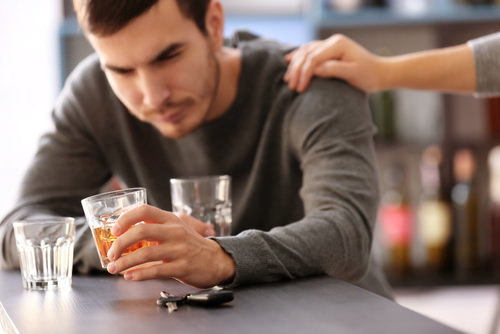
Las penas “mejoradas” significan penas más duras que las normalmente impuestas por una condena por DUI.
3. ¿Cuándo se aplica el VC 23578?
Las leyes de penalización mejoradas por DUI de California se aplican cuando se le condena por:
- conducir bajo la influencia según el Código de Vehículos 23152 VC, o
- DUI que causa lesiones según el Código de Vehículos 23153.
Usted viola el VC 23152 cuando opera un vehículo motorizado:
- mientras está “bajo la influencia” del alcohol o
- con un BAC de .08 o más.4
“Bajo la influencia” significa que sus habilidades físicas o mentales están afectadas en tal medida que ya no puede conducir tan bien como una persona sobria y cautelosa.5
Usted viola el VC 23153 cuando:
- conduce bajo la influencia, y
- lesiona a otra persona como resultado.6
Usted puede ser condenado por este delito si está bajo la influencia de:
- alcohol,
- drogas (conocido como DUID), o
- una combinación de drogas o alcohol.
4. ¿Se aplican siempre estas penas?
No. Los tribunales de California no están obligados a imponer penas más duras por DUI bajo el VC 23578. La ley establece que:
“el tribunal considerará [un BAC excesivo y la negativa a realizar una prueba] como un factor especial que puede justificar la imposición de penas más duras en la sentencia…”7 (énfasis añadido).
Lectura adicional
Para obtener información más detallada, consulte estos artículos académicos:
- Las implicaciones de privacidad de las negativas a realizar pruebas de DUI y las pruebas forzadas de alcohol en sangre: lo que los jueces pueden hacer – Justicia Penal.
- No derrames sangre: la eliminación forzada de muestras de sangre de sospechosos de conducir ebrios – California Law Review.
- ¿Realmente tengo una opción – Pruebas de sangre obligatorias en conductores ebrios y la Cuarta Enmienda – Western State University Law Review.
- Conducir ebrio, consentimiento implícito y autoincriminación – Revista de la Academia Americana de Psiquiatría y Leyes.
- Dar por sentada la evidencia de sangre: las consecuencias no deseadas de McNeely y Birchfield – Facultad de Derecho de Stanford.
Referencias legales:
- Código de Vehículos de California 23578 VC.
- Ver lo mismo.
- Ver lo mismo.
- Código de Vehículos de California 23152a VC.
- People v. Mead (1954) 126 Cal.App.2d 164.
- Código de Vehículos de California 23153 VC.
- Código de Vehículos de California 23578 VC.