
GLP-1 RA lawsuits are claims for compensation by patients diagnosed with gastroparesis (stomach paralysis or “frozen stomach”) after taking the semaglutides Ozempic, Wegovy, or Rybelsus.
We allege that the manufacturer, Novo Nordisk, failed to warn doctors and patients that the semaglutides can cause gastroparesis.
Shouse Law Group represents GLP-1 RA victims throughout the United States. Our attorneys are demanding that Novo Nordisk compensate our clients for medical bills, lost wages, and pain and suffering.
We bring each GLP-1 RA lawsuit individually and not as part of a class action. However, these lawsuits are joined in a multidistrict litigation (MDL) in order to speed up the negotiation and settlement process.
You may qualify to join our GLP-1 RA litigation if you meet the following four conditions:
- You have taken brand-name Ozempic, Wegovy, or Rybelsus; and
- You are 75 years old or younger; and
- You were diagnosed with gastroparesis or gastric obstruction while taking these drugs or within 30 days of stopping use; and
- Your condition required an ER visit or admission to the hospital.
The statute of limitations to file a claim is only a year or two in some states. Therefore, victims should consult a GLP-1 RA lawsuit lawyer without delay.

In this article, our mass tort attorneys will address the following critical topics about GLP-1 RA lawsuits:
- 1. Grounds for Lawsuit
- 2. Current Litigation
- 3. Compensation
- 4. GLP-1 RAs
- 5. Gastroparesis
- 6. Eye Problems
- 7. Hiring an Attorney
1. Grounds for Lawsuit
The central claim in GLP-1 RA lawsuits is “failure to warn.”
We allege that Novo Nordisk knew – or should have known – about the heightened risk of gastroparesis/stomach paralysis. We also allege that Novo Nordisk did not include – or properly emphasize – these risks on the drug’s label or in its marketing materials.
In order to win a failure to warn lawsuit, the court must hold that this failure caused your injuries.1
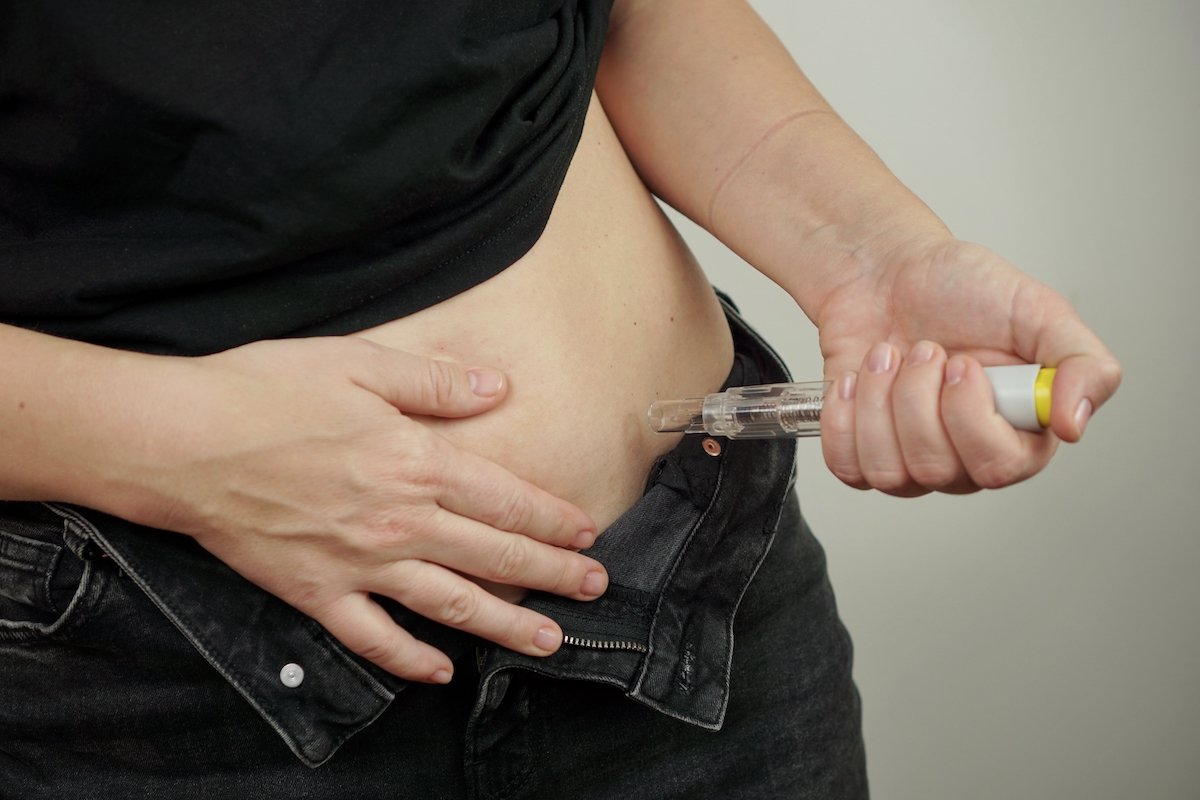
Many Ozempic victims may not have chosen to take the drug had they known of the risks.
2. Current Litigation
GLP-1 RA lawsuits get consolidated into an multi-district litigation (MDL) overseen by one judge. Each lawsuit remains separate, but the MDL mechanism makes litigation and settlements more efficient because all the pretrial processes are streamlined and centralized.
As of January 2026, the litigation involving GLP-1 receptor agonists has officially split into two separate MDLs to distinguish between gastrointestinal injuries and vision-related injuries, though both remain under the supervision of the same judge for efficiency.
-
Gastrointestinal Injury Track (MDL 3094): The original litigation, In re: Glucagon-like Peptide-1 Receptor Agonists (GLP-1 RAs) Products Liability Litigation (MDL 3094), remains in the Eastern District of Pennsylvania under Judge Karen Spencer Marston. There are currently approximately 2,947 active cases in this docket. These lawsuits primarily allege injuries such as gastroparesis (stomach paralysis), ileus, and deep vein thrombosis (DVT). The litigation is currently in a “cross-cutting” legal phase, with the court reviewing critical motions on federal preemption and general causation. No bellwether trials are expected to begin until late 2026 or 2027, pending the outcome of Summary Judgment motions scheduled for April 2026.
-
Vision Loss Track (MDL 3163): In a major development on December 15, 2025, the Judicial Panel on Multidistrict Litigation (JPML) formed a new, separate docket titled In re: Glucagon-like Peptide-1 Receptor Agonists (GLP-1 RAs) (NAION) Products Liability Litigation (MDL 3163). This MDL is also assigned to Judge Karen Spencer Marston in the Eastern District of Pennsylvania to ensure coordination with the original MDL. This specific track handles claims involving NAION (Non-Arteritic Anterior Ischemic Optic Neuropathy), a condition causing sudden blindness or stroke in the eye. While the case count is currently small (starting with approximately 21 transferred actions), it is expected to grow rapidly as vision-specific claims are now filed directly into this new dedicated docket.2
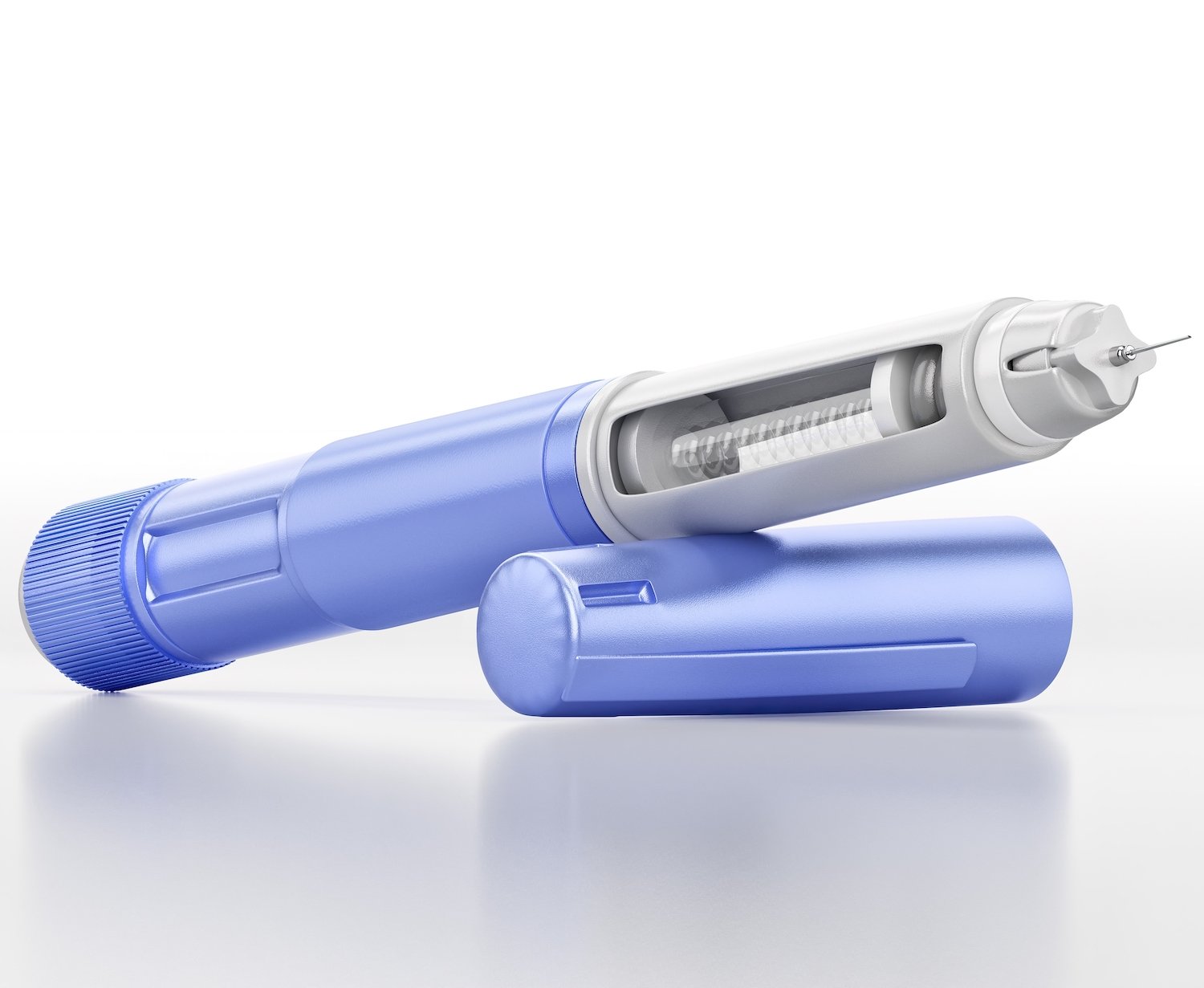
Semaglutides have increased in popularity over the past several years.
3. Compensation
If your GLP-1 RA lawsuit settles, your payout will largely depend on the severity of your injuries and expenses. We fight to recover enough money to cover all of your:
- past and future medical costs,
- lost wages and lost earning potential,
- pain and suffering, and
- loss of enjoyment of life.
We foresee settlements ranging from five-to-six figures or possibly seven figures in the most serious cases.

Most GLP-1 RAs are administered through a jab.
4. GLP-1 RAs
GLP-1 RA is short for glucagon-like peptide-1 receptor agonists. The active ingredient is semaglutide, which mimics how the body’s natural GLP-1s slow food passing through the stomach.
GLP-1 RAs are prescribed to help type 2 diabetics control blood sugar and/or to help overweight people lose weight. The semaglutide with the most name recognition is Ozempic, which the FDA approved on December 5, 2017.
The following GLP-1 RAs are administered through a weekly subcutaneous injection:
Meanwhile, Rybelsus is an oral tablet taken daily.
The FDA Adverse Reporting System (FAERS) logged more than 100,000 semaglutide-related adverse events. As of now, none of these medications have been recalled.3

GLP-1 RAs may heighten the risk of developing “frozen stomach.”
5. Gastroparesis
Studies indicate that GLP-1 RAs may increase the risk of gastroparesis, also called stomach paralysis or frozen stomach. Like it sounds, gastroparesis causes the stomach muscles to slow down or stop working altogether.
As a result, food remains in the person’s stomach for longer than normal. It is a rare condition that happens in only one of 100,000 people.4
Symptoms & Complications
Common symptoms of gastroparesis are:
- bloating and abdominal pain,
- nausea and vomiting,
- acid reflux,
- feeling full and loss of appetite, and/or
- weight loss.
This can then lead to complications, such as:
- dehydration,
- malnutrition,
- erratic blood glucose levels,
- ulcers,
- bleeding, and/or
- bezoars (solid food masses in the stomach), which may lead to life-threatening blockages.
Treatments
Treating gastroparesis caused by GLP-1 RAs focuses on managing symptoms and adjusting the drugs under a physician’s care. The primary strategies include:
- Dietary Changes: Eating smaller, more frequent meals that are low in fat and fiber may help digestion. Liquid or pureed foods may also be easier to digest.
- GLP-1 RA Adjustment: Lowering the semaglutide dose may help restart the stomach muscles. If symptoms are severe, discontinuing the drug may be necessary.
- Medications: Metoclopramide, erythromycin, and domperidone may help the stomach muscles work. Nausea can be managed with diphenhydramine, ondansetron, or prochlorperazine.
- Feeding tubes or gastric venting tubes: This requires surgery.
- Gastric electrical stimulation: This treatment has mixed results.5

GLP-1 RAs may increase the risk of developing NAION, a serious eye condition.
6. Eye Problems
There is growing evidence that GLP-1 RAs may also cause non-arteritic anterior ischemic optic neuropathy (NAION). This is a sudden, painless loss of vision caused by a stroke-like disruption of blood flow to the front of the optic nerve, unrelated to inflammation of the arteries.
A study involving circa 350,000 diabetes patients showed that NAION risks more than doubled following two years of Ozempic treatment. It is estimated that at least one in every 10,000 people taking a GLP-1 RA may develop NAION.
As for now there is no MDL for lawsuits involving semaglutides causing NAION, so each case is being litigated separately.6 If you sustained eye injuries from GLP-1 RAs, we may be able to sue the drug manufacturer on your behalf if you meet the following five conditions:
- You have taken brand-name Ozempic, Wegovy, Rybelsus, Trulicity, Mounjaro, or Zepbound; and
- You are 75 years old or younger; and
- You were diagnosed with NAION (non-arteritic anterior ischemic optic neuropathy) while you were taking the GLP-1 RAs; and
- You stopped taking the GLP-1 RAs once you were injured or diagnosed; and
- You sustained any degree of permanently impaired vision.
Note that Trulicity, Mounjaro, and Zepbound are manufactured by Eli Lilly, not Novo Nordisk.

Stomach paralysis can be life-threatening.
7. Hiring an Attorney
Taking on a global pharmaceutical manufacturer like Novo Nordisk is not easy. Experienced attorneys are vital for protecting your rights and fighting for the largest settlement possible. Here is how we can help:
- Providing a Free Consultation: After reviewing your story and medical records, we will let you know whether your case is strong and right for our firm.
- Investigating Your Case: We take care of all the evidence-gathering, including amassing your medical records and consulting with medical experts.
- Handling Your Case: We compose and file all the necessary paperwork by deadline, and you should not have to step foot in a courtroom.
- Negotiating the Biggest Possible Settlement: We do not stop aggressively negotiating with opposing counsel until we reach a settlement that we believe is the most favorable resolution available under the law.
If you believe you have been harmed by GLP-1 RAs, contact us now. You have a limited time to file a claim.
Legal References
- See, for example, CACI 1205. Emily Brindley, FDA tags Wegovy with new warning for gastrointestinal reactions, Dallas Morning News (Dec. 4, 2024) (In 2024, a warning label was finally put on Wegovy warning that people with severe gastroparesis should not take it).
- MDL 3094, In Re: Glucagon-like Peptide-1 Receptor Agonists (GLP-1 RAS) Products Liability Litigation (Eastern District of Pennsylvania).
- GLP-1 Agonists, Cleveland Clinic. FAERS, FDA.
- Jensterle M, Ferjan S, Ležaič L, Sočan A, Goričar K, Zaletel K, Janez A. Semaglutide delays 4-hour gastric emptying in women with polycystic ovary syndrome and obesity. Diabetes Obes Metab. 2023 Apr;25(4):975-984. doi: 10.1111/dom.14944. Epub 2023 Jan 3. PMID: 36511825. Kalas MA, Dang TQ, Galura G, Alvarado L, Dwivedi AK, Deoker A, McCallum R. Frequency of GLP-1 receptor agonists use in diabetic patients diagnosed with delayed gastric emptying and their demographic profile. J Investig Med. 2023 Jan;71(1):11-16. doi: 10.1136/jim-2022-002480. PMID: 36198436. Klein SR, Hobai IA. Semaglutide, delayed gastric emptying, and intraoperative pulmonary aspiration: a case report. Can J Anaesth. 2023 Aug;70(8):1394-1396. English. doi: 10.1007/s12630-023-02440-3. Epub 2023 Mar 28. PMID: 36977934. Preda V, Khoo SS, Preda T, Lord RV. Gastroparesis with bezoar formation in patients treated with glucagon-like peptide-1 receptor agonists: potential relevance for bariatric and other gastric surgery. BJS Open. 2023 Jan 6;7(1):zrac169. doi: 10.1093/bjsopen/zrac169. PMID: 36723995; PMCID: PMC9891341. Sherwin M, Hamburger J, Katz D, DeMaria S Jr. Influence of semaglutide use on the presence of residual gastric solids on gastric ultrasound: a prospective observational study in volunteers without obesity recently started on semaglutide. Can J Anaesth. 2023 Aug;70(8):1300-1306. English. doi: 10.1007/s12630-023-02549-5. Epub 2023 Jul 19. PMID: 37466909.
- Definition & Facts for Gastroparesis, National Institute of Diabetes and Digestive and Kidney Diseases. Jung HK, Choung RS, Locke GR 3rd, Schleck CD, Zinsmeister AR, Szarka LA, Mullan B, Talley NJ. The incidence, prevalence, and outcomes of patients with gastroparesis in Olmsted County, Minnesota, from 1996 to 2006. Gastroenterology. 2009 Apr;136(4):1225-33. doi: 10.1053/j.gastro.2008.12.047. Epub 2008 Dec 24. PMID: 19249393; PMCID: PMC2705939.
- Mariam E Sunny, Novo’s Ozempic linked to rare cases of serious eye disorder, EU regulator says, Reuters (June 7, 2025). Katz BJ, Lee MS, Lincoff NS, et al. Ophthalmic Complications Associated With the Antidiabetic Drugs Semaglutide and Tirzepatide. JAMA Ophthalmol. 2025;143(3):215–220. doi:10.1001/jamaophthalmol.2024.6058.