
Quick summary
Under California marijuana laws, adults 21 and older may legally possess up to 28.5 grams (about one ounce) of cannabis and 8 grams of concentrated cannabis, and grow up to 6 plants at home. Selling without a state and local license, possessing more than those limits, and giving cannabis to minors are still crimes.
- Penalties: Most violations by adults are misdemeanors with up to 6 months in jail and a $500 fine. People under 21 usually face infractions.
- Felonies: Selling or giving cannabis to a minor, or having certain serious prior convictions, can lead to a felony.
- Driving: An open container or loose cannabis in the car is an infraction, and driving while impaired is a DUI.
- Federal law: Non-medical marijuana is still illegal under federal law, which applies on federal property and in immigration cases.
Recreational use of marijuana has been legal in California since January 1, 2018, after voters passed Proposition 64 in November 2016. Adults 21 and older may possess up to 28.5 grams of marijuana and 8 grams of concentrated cannabis, and may grow up to 6 plants for personal use.1
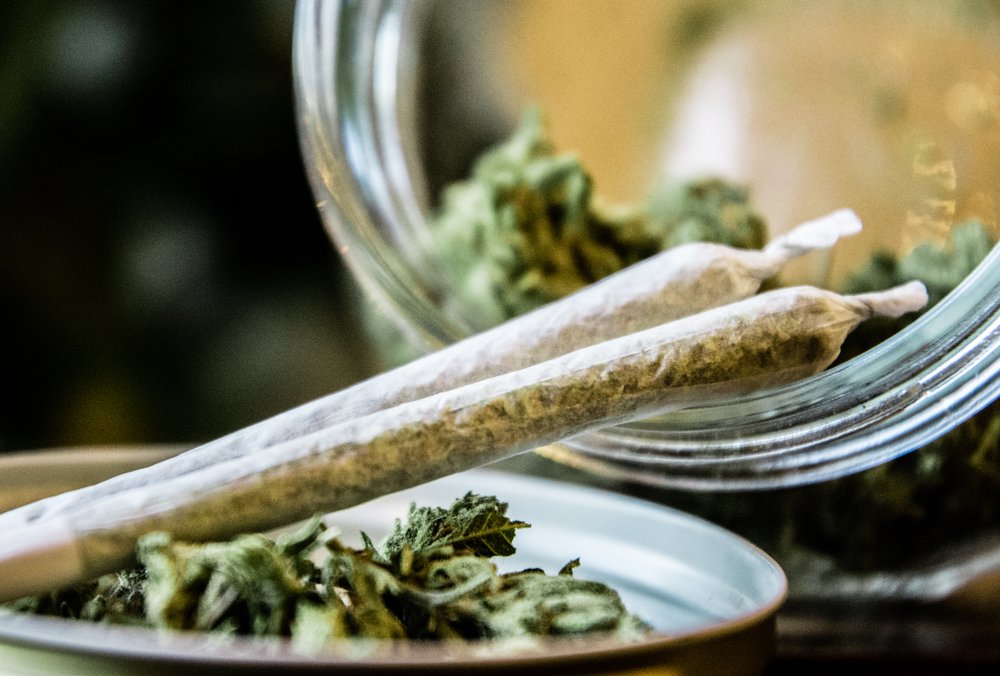
To help you understand California marijuana laws, our California criminal defense lawyers answer the following top 10 questions:
- 1. Is marijuana possession for personal use legal in California?
- 2. What are the cultivation laws?
- 3. What is possession with intent to sell?
- 4. What are the penalties for selling, gifting, transporting, or importing marijuana?
- 5. What is the penalty for selling to a minor?
- 6. What are the laws for concentrated cannabis?
- 7. Is driving with marijuana a crime?
- 8. What are the medical marijuana laws?
- 9. What is federal marijuana law?
- 10. What are the immigration consequences?
1. Is marijuana possession for personal use legal in California?
Yes, within limits. In California, adults 21 and older may possess up to 28.5 grams of marijuana and up to 8 grams of concentrated cannabis (such as hash or wax).2 Health and Safety Code 11357 HS sets the penalties when possession goes beyond what is legal.
Where you cannot use marijuana
Legal possession does not mean you can use cannabis anywhere. California law does not allow you to:3
- smoke or eat cannabis in a public place, unless at a licensed consumption lounge;
- smoke cannabis where smoking tobacco is banned;
- smoke within 1,000 feet of a school, day care center or youth center while children are present (except at a private home, if it cannot be detected there);
- possess, smoke or eat cannabis on the grounds of a school, day care center or youth center while children are present; or
- have an open container of cannabis, or smoke or eat it, while driving or riding in a vehicle.
Landlords and employers can also ban cannabis use on their property or at work.
When is possession of marijuana still a crime?
Possession can still be a misdemeanor or an infraction in California, as the table below shows.4
| HS 11357 possession offense | Type of offense | Penalty |
|---|---|---|
| Up to 28.5 g of cannabis or 8 g of concentrate, by someone under 18 | Infraction | Drug education or counseling and community service |
| Up to 28.5 g of cannabis or 8 g of concentrate, by someone 18 to 20 | Infraction | Fine of up to $100 |
| More than 28.5 g of cannabis or more than 8 g of concentrate, by someone 18 or older | Misdemeanor | Up to 6 months in county jail and/or up to $500 |
| More than 28.5 g of cannabis or more than 8 g of concentrate, by someone under 18 | Infraction | Drug education or counseling and community service |
| Cannabis on K-12 school grounds during school hours, by someone 18 or older (11357(c) HS) | Misdemeanor | First offense: fine up to $250. Second or later: up to 10 days in jail and/or up to $500 |
| Cannabis on K-12 school grounds during school hours, by someone under 18 | Infraction | Drug education or counseling and community service |
2. What are the cultivation laws?
In California, adults 21 and older may grow up to 6 living cannabis plants at home and keep what they produce.5 Cities and counties can regulate home grows, and many ban outdoor growing, so check local rules.
California Health and Safety Code 11358 HS (marijuana cultivation) sets the penalties for growing outside the law:6
- Under 18: any amount is an infraction requiring drug education and community service.
- 18 to 20: up to 6 plants is an infraction with a fine of up to $100.
- 18 and older, more than 6 plants: a misdemeanor with up to 6 months in county jail and/or a fine of up to $500.

Growing more than 6 plants can be charged as a felony (16 months, 2 or 3 years under Penal Code 1170(h)) if:
- you have a prior conviction for a serious violent felony (a “super strike”) or for an offense requiring sex offender registration;
- you have two or more prior misdemeanor convictions for growing more than 6 plants; or
- the grow caused certain environmental harm, such as illegally diverting water, discharging waste into waters, harming endangered species, or causing substantial harm to water or public lands.
3. What is possession with intent to sell?
Prop 64 legalized cannabis sales only for businesses that hold both a state license and local approval. Possessing cannabis for sale without a license is still a crime under Health and Safety Code 11359 HS.7
For most adults, it is a misdemeanor punishable by up to 6 months in county jail and/or a fine of up to $500. For people under 18, it is an infraction.
It can be charged as a felony, punishable by 16 months, 2 or 3 years under Penal Code 1170(h), if:
- you have a prior conviction for a serious violent felony or for an offense requiring you to register as a sex offender;
- you have two or more prior convictions for possession for sale;
- the offense was connected to knowingly selling, or trying to sell, cannabis to someone under 18; or
- you are 21 or older and knowingly hired or used someone 20 or younger to grow, transport or sell cannabis.
Prosecutors usually try to prove intent to sell with circumstantial evidence, sometimes called “indicia of sale,” such as:8
- a large quantity of cannabis,
- baggies, scales or packaging,
- cannabis divided into many small containers,
- cash or weapons, and
- the arresting officer’s opinion that the cannabis was for sale.
Each of these can have an innocent explanation, such as buying in bulk for personal use, so this evidence is often open to challenge.
4. What are the penalties for selling, gifting, transporting, or importing marijuana?
In California, only licensed businesses may sell cannabis. Licenses are issued by the Department of Cannabis Control (which replaced the Bureau of Cannabis Control in 2021), and businesses also need local approval.9
Selling, transporting for sale, importing or giving away cannabis without a license is a crime under California Health and Safety Code 11360 HS. For most adults, it is a misdemeanor punishable by up to 6 months in county jail and/or a fine of up to $500. For people under 18, it is an infraction.10
It can be charged as a felony, punishable by 2, 3 or 4 years under Penal Code 1170(h), if:
- you have a prior conviction for a serious violent felony or a registrable sex offense;
- you have two or more prior misdemeanor convictions under HS 11360;
- you knowingly sold, tried to sell, or offered to sell or give cannabis to someone under 18; or
- you imported (or tried to import) more than 28.5 grams of cannabis or 4 grams of concentrate into California, or transported that much out of California for sale.
Adults 21 and older may transport or give away (with no payment) up to 28.5 grams of cannabis and 8 grams of concentrate to other adults 21 and older.11 Otherwise, giving away or transporting up to 28.5 grams of non-concentrated cannabis without legal authority is an infraction with a fine of up to $100.12
5. What is the penalty for selling to a minor?
California Health and Safety Code 11361 HS makes it a state prison felony for anyone 18 or older to involve minors with cannabis. The penalties are:13
- 3, 5 or 7 years for selling or offering to sell cannabis or cannabis products to any minor; giving or offering it to a minor under 14; using or hiring a minor to transport, carry, sell, give away or prepare cannabis for sale; or inducing a minor to use cannabis.
- 3, 4 or 5 years for giving or offering cannabis or cannabis products (without selling) to a minor 14 or older.
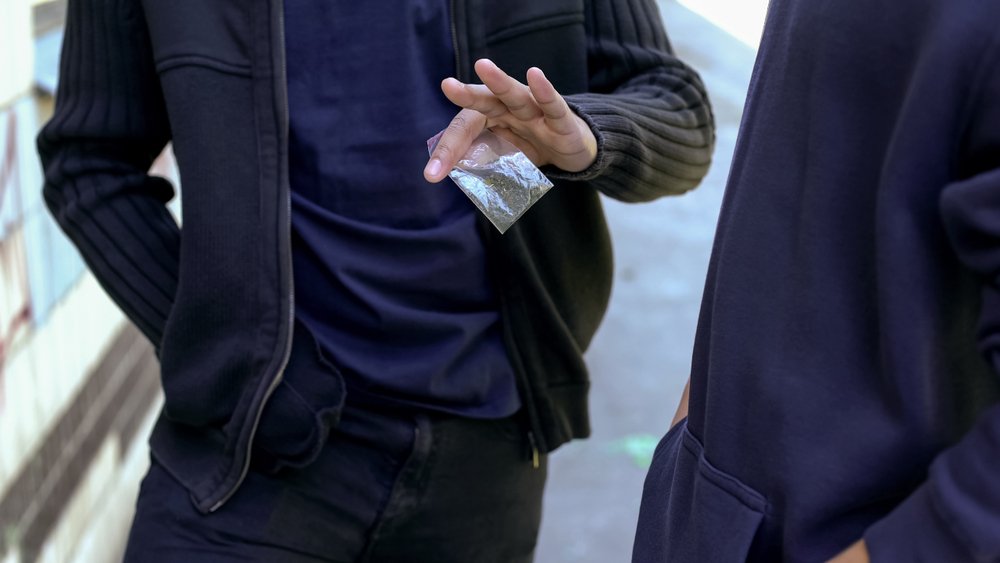
6. What are the laws for concentrated cannabis?
“Concentrated cannabis” is the separated resin from the cannabis plant, such as hash, hash oil, wax or shatter. Adults 21 and older may possess up to 8 grams of it, including what is contained in cannabis products.14 Making concentrate with a flammable solvent such as butane is illegal without a state license.15
Concentrated cannabis is treated as marijuana under California’s medical marijuana law, so qualified patients and caregivers may possess, grow and transport it as they would other medical cannabis.16
7. Is driving with marijuana a crime?
Yes, in two ways. Under California Vehicle Code 23222(b) VC, it is an infraction, with a fine of up to $100, to have an opened container of cannabis or loose cannabis flower on your person while driving. The rule does not apply if the open container or loose flower is in the trunk.17
Driving while impaired by marijuana is a DUI, prosecuted much like an alcohol DUI. See our articles on driving under the influence of marijuana and Can I smoke weed in my car in California?
8. What are the medical marijuana laws?
California voters legalized medical cannabis in 1996 with Proposition 215, the Compassionate Use Act, found in Health and Safety Code 11362.5. Medical cannabis still matters even though adult use is legal:
- Qualified patients and primary caregivers may possess up to 8 ounces of dried cannabis and keep up to 6 mature or 12 immature plants per patient, or more if a doctor recommends it.18
- Patients under 21 can use medical cannabis with a physician’s recommendation.
Since January 1, 2018, a qualified patient must have a physician’s recommendation that meets current Medical Board standards.19
Who may legally use medical marijuana?
Under California law, a qualified patient is someone whose doctor has recommended cannabis for a serious medical condition, such as:20
- AIDS,
- anorexia,
- arthritis,
- cachexia,
- cancer,
- glaucoma,
- migraines,
- multiple sclerosis,
- persistent muscle spasms,
- seizures, or
- any other chronic or persistent condition that limits major life activities or could cause serious harm if not relieved, including chronic pain and severe nausea.
The definition of a “primary caregiver”
A “primary caregiver” is a person designated by a qualified patient who has consistently taken responsibility for the patient’s housing, health or safety.21
What may medical marijuana patients and primary caregivers legally do?
Patients may possess and transport cannabis for their own medical use. Caregivers may transport, process, administer, deliver or give it to their patient in amounts allowed by law. Neither may grow or sell cannabis for profit.22
Medical marijuana dispensaries
The old system of nonprofit medical marijuana collectives and cooperatives has ended. Today, dispensaries selling medical or adult-use cannabis must hold a state license from the Department of Cannabis Control and local approval.
9. What is federal marijuana law?
The federal Controlled Substances Act
The federal Controlled Substances Act lists marijuana as a controlled substance. As of April 28, 2026, marijuana in FDA-approved drugs and marijuana covered by a state medical marijuana license were moved to Schedule III. All other marijuana, including adult-use (recreational) cannabis, is still a Schedule I drug. A separate federal process to move all marijuana to Schedule III was still pending as of November 2026.23
Federal law takes priority over state law.24 So growing, selling or giving away recreational marijuana can still violate federal law, even if you follow California’s rules.25
Penalties under federal law
Federal marijuana penalties can be severe. For example:
- Simple possession (first offense): up to 1 year in federal prison and a minimum fine of $1,000.26
- Growing, selling or possessing for sale less than 50 kilograms (or fewer than 50 plants): up to 5 years in federal prison and a fine of up to $250,000.27
Penalties rise for larger amounts and repeat offenses. For a full list, see the Congressional Research Service report Drug Offenses: Maximum Fines and Terms of Imprisonment for Violation of the Federal Controlled Substances Act and Related Laws.
When federal prosecution for marijuana is likely
In practice, federal prosecutors rarely charge people for small-scale personal use that complies with state law. Federal cases usually focus on large trafficking operations, organized crime and conduct on federal land.
Federal law applies on federal property in California
Federal law, not California law, governs on federal property in California, such as federal buildings, post offices, national parks and federal courthouses. Growing marijuana on federal property carries a federal fine of up to $500,000 for an individual.28
Federally assisted housing
Because marijuana is still illegal under federal law, public housing and other federally assisted housing can deny admission to, or evict, people who use marijuana, including medical users.29
10. What are the immigration consequences?
For non-citizens, a marijuana conviction can have serious immigration consequences. A conviction for selling marijuana, or possessing it for sale, can count as an “aggravated felony” under federal immigration law, which can lead to deportation. However, the U.S. Supreme Court has held that sharing a small amount of marijuana for no payment is not an aggravated felony.30
If you are not a U.S. citizen, talk to a criminal defense lawyer who understands immigration law before accepting any plea in a marijuana case.
If you or a loved one has been charged with a marijuana crime, our California criminal defense attorneys offer a free consultation. Call us or fill out the form on this page.
¿Habla español? Visite nuestro sitio Web en español sobre las leyes de la marihuana en California.
Department of Cannabis Control (DCC) resources for businesses:
Legal references:
- California Health and Safety Code 11362.1 HS (added by Proposition 64).
- California Health and Safety Code 11362.1(a) HS.
- California Health and Safety Code 11362.3(a) HS.
- California Health and Safety Code 11357 HS.
- California Health and Safety Code 11362.1(a)(3) HS.
- California Health and Safety Code 11358 HS (as amended by SB 753, effective January 1, 2024).
- California Health and Safety Code 11359 HS.
- People v. Harris (2000) 83 Cal.App.4th 371 (officer opinion on possession for sale based on quantity and other circumstances).
- California Business and Professions Code 26010 BPC.
- California Health and Safety Code 11360(a) HS.
- California Health and Safety Code 11362.1(a)(1)-(2) HS.
- California Health and Safety Code 11360(b) HS.
- California Health and Safety Code 11361 HS (as amended by AB 8, effective January 1, 2026, which added cannabis products).
- California Health and Safety Code 11362.1(a)(2) HS.
- California Health and Safety Code 11362.3(a)(6) HS.
- Opinion of the Attorney General, 86 Ops. Cal. Atty. Gen. 180 (2003) (“Concentrated cannabis or hashish is included within the meaning of ‘marijuana’ as that term is used in the Compassionate Use Act of 1996.”).
- California Vehicle Code 23222(b) VC (as amended by AB 397, effective January 1, 2020). Medical patients with a current ID card or recommendation are exempt if the cannabis is in a sealed or closed container (23222(c)).
- California Health and Safety Code 11362.77 HS.
- California Health and Safety Code 11362.712 HS (added by Proposition 64).
- See California Health and Safety Code 11362.7 HS.
- California Health and Safety Code 11362.7(d) HS.
- California Health and Safety Code 11362.765(a)-(b) HS.
- Schedules of Controlled Substances: Rescheduling of Food and Drug Administration Approved Products Containing Marijuana From Schedule I to Schedule III, 91 Fed. Reg. 22714 (Apr. 28, 2026).
- U.S. Const., art. VI, cl. 2 (Supremacy Clause); Gonzales v. Raich (2005) 545 U.S. 1.
- People v. Mitchell (2014) 225 Cal.App.4th 1189 (California’s medical marijuana laws are a defense only to state charges, not federal ones).
- 21 U.S.C. § 844(a). Distributing a small amount for no payment is treated as simple possession (21 U.S.C. § 841(b)(4)).
- 21 U.S.C. § 841(b)(1)(D).
- 21 U.S.C. § 841(b)(5).
- HUD Memorandum re: Medical Marijuana Use in Public Housing and Housing Choice Voucher Programs (February 10, 2011), as summarized by NAHRO.
- Moncrieffe v. Holder (2013) 569 U.S. 184.